

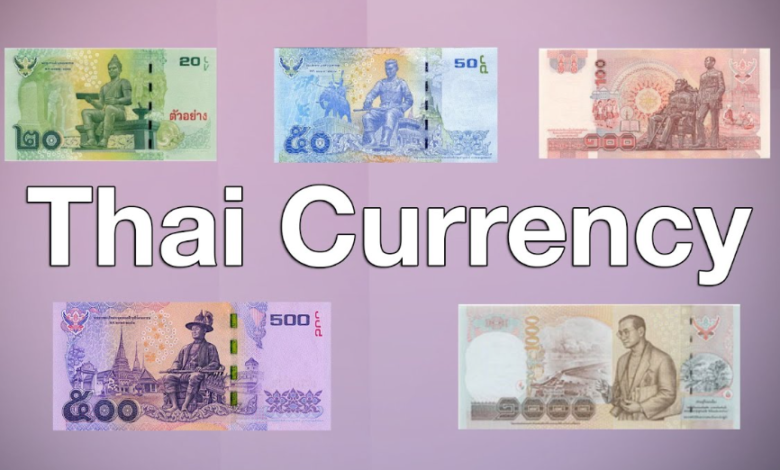
Thailand is one of Asia’s most popular destinations for tourists, expatriates, digital nomads, and long-term residents. Whether you are visiting Phuket for a holiday or living in Thailand for an extended period, understanding currency exchange can help you manage your money more effectively.
Exchange rates can vary depending on the provider, location, currency, and transaction method. Travelers carrying US dollars, euros, or Russian rubles should compare their options before exchanging a large amount of money. Choosing the Best currency exchange in Thailand for USD, EUR and RUB can help travelers receive better value and avoid unnecessary fees.
At a Glance
- Thailand’s official currency is the Thai baht (THB).
- Exchange rates can vary between banks, exchange offices, airports, and ATMs.
- USD and EUR are widely exchanged throughout major tourist destinations.
- RUB availability may vary depending on the exchange provider and location.
- Airport exchange counters are convenient but may not always offer the most competitive rates.
- Comparing exchange rates and fees can help you get better value.
- International money transfer services can be useful for expatriates and long-term residents.
- Phuket offers multiple options for exchanging foreign currencies due to its large international tourism market.
Understanding Thai Baht Exchange Rates
The value of the Thai baht against foreign currencies changes regularly. Exchange rates are influenced by international markets, economic conditions, supply and demand, interest rates, and other financial factors.
When checking exchange rates online, travelers may see what is known as the mid-market rate. However, the rate offered by a bank or currency exchange provider may be different. The provider may include a margin or service fee in the transaction.
Before exchanging money, it is helpful to check:
- The current market rate
- The rate offered by the provider
- Commission or service fees
- Transaction limits
- Identification requirements
- Whether the provider accepts your currency
Taking a few minutes to compare these factors can make a noticeable difference, especially when exchanging a larger amount.
Where Can You Exchange Money in Thailand?
Travelers and residents have several options for converting foreign currency into Thai baht. Each method offers a different balance of convenience, accessibility, and potential cost.
Currency Exchange Offices
Specialized exchange offices are common in major Thai cities and tourist destinations. In Phuket, travelers can find exchange counters in popular tourist areas, shopping districts, and commercial locations.
These providers may offer competitive rates for widely traded currencies such as USD and EUR. However, rates can vary between different companies and even between branches.
Thai Banks
Banks are another option for exchanging foreign currency. They can provide a familiar and regulated environment, especially for visitors who prefer dealing with established financial institutions.
However, bank exchange rates may differ from those offered by specialized exchange offices. Banking hours can also be less convenient for tourists.
Airport Currency Exchange Counters
Airport exchange services are useful for travelers who need Thai baht immediately after arriving in the country. You may need cash for transportation, food, or other immediate expenses.
However, convenience can sometimes come with less favorable exchange rates. A common strategy is to exchange only enough money for immediate expenses and compare other options after reaching your destination.
ATMs and International Bank Cards
International debit and credit cards can provide a convenient way to withdraw Thai baht. However, travelers should check the fees charged by both the ATM operator and their own bank.
Foreign transaction fees and currency conversion charges can increase the overall cost of withdrawing money. Before confirming a transaction, review the exchange terms carefully.
Comparison Table: Currency Exchange Options in Thailand
| Exchange Option | Convenience | Potential Rate Value | Best For | Things to Consider |
| Currency Exchange Offices | High | Often competitive | Tourists and cash users | Rates vary between providers |
| Thai Banks | Moderate | Varies | Larger or formal transactions | Limited banking hours |
| Airport Exchange Counters | Very High | May be less competitive | Immediate arrival expenses | Convenience may cost more |
| International ATMs | Very High | Depends on your bank | Cardholders needing THB | ATM and foreign transaction fees |
| International Money Transfers | High | Depends on provider | Expats and long-term residents | Compare fees and delivery times |
The best choice depends on your currency, location, transaction size, and how quickly you need access to Thai baht.
Exchanging USD in Thailand
The US dollar is one of the most commonly exchanged foreign currencies in Thailand. It is generally easy to exchange in major cities and tourist destinations, including Phuket.
Travelers should keep their banknotes clean and in good physical condition. Some exchange providers may have different policies regarding damaged, marked, or heavily worn notes.
It is also worth comparing rates for different denominations, as exchange providers may have different pricing structures.
Exchanging EUR in Thailand
The euro is also widely accepted by currency exchange providers throughout Thailand. Visitors from Europe can usually find exchange services in popular tourist areas and major commercial locations.
As with USD, comparing rates between different providers can be useful. Do not assume that the first exchange counter you see offers the best available rate.
For longer stays, monitoring the EUR-to-THB rate can also help residents plan their expenses and decide when to convert funds.
Exchanging RUB in Thailand
Russian rubles may require more planning because acceptance and exchange conditions can vary between providers. Before traveling with a significant amount of RUB, it is sensible to confirm whether exchange services in your destination accept the currency.
Phuket receives visitors from many countries and has a large tourism economy, so travelers may find more currency exchange options than in smaller locations. Nevertheless, availability and offered rates can change.
Carrying a backup payment method, such as an international bank card or access to an alternative currency, can provide additional flexibility.
International Money Transfers to Thailand
For expatriates, remote workers, business owners, and long-term residents, international money transfers can be just as important as physical currency exchange.
Traditional bank transfers may be suitable for some transactions, but users should consider transfer fees, intermediary bank charges, processing times, and exchange-rate margins.
Money transfer providers may offer different combinations of speed and cost.
Before sending money to Thailand, compare:
- Transfer fees
- Exchange rates
- Estimated delivery time
- Receiving methods
- Transaction limits
- Verification requirements
A service with the lowest advertised fee is not always the cheapest overall option. The exchange rate can have a significant effect on the final amount received in Thai baht.
Tips for Getting a Better Exchange Rate
Compare Before You Exchange
Do not exchange a large amount of money at the first location you find. Checking multiple providers can help you identify a more competitive option.
Avoid Converting All Your Money Immediately
If you are staying in Thailand for several weeks or months, converting smaller amounts over time may provide more flexibility.
Check for Additional Fees
Always ask whether a commission or service fee applies. A provider advertising an attractive exchange rate may still include additional charges.
Keep Multiple Payment Options
A combination of cash, bank cards, and international transfer options can reduce the risk of relying on a single financial method.
Be Careful With Currency Conversion Offers
When using cards or ATMs, carefully review any currency conversion offer before accepting it. Compare the available options and understand the total cost of the transaction.
Use Reliable and Authorized Providers
For security and peace of mind, exchange money through established banks and authorized currency exchange services. Avoid unofficial transactions that may involve unnecessary risks.
Managing Your Money While Living in Phuket
Long-term residents have different financial needs from short-term tourists. Monthly expenses may include accommodation, transportation, groceries, utilities, education, and other living costs.
If your income is received in USD, EUR, RUB, or another foreign currency, changes in the exchange rate can affect your available budget in Thai baht.
Keeping track of exchange transactions can help with financial planning. Some residents choose to exchange money in smaller amounts and monitor currency movements rather than converting a large amount at one time.
International money transfers can also be useful for receiving salaries, freelance payments, family support, or business funds.
Final Thoughts
Thailand offers a wide range of options for exchanging foreign currency and managing international payments. Currency exchange offices, banks, airport counters, ATMs, and money transfer services all provide different benefits.
For travelers and residents in Phuket and other parts of Thailand, the key is to compare rates, understand the fees involved, and choose the option that best fits your situation. Whether you are exchanging USD, EUR, or RUB, careful planning can help you receive better value and manage your Thai baht more efficiently.