

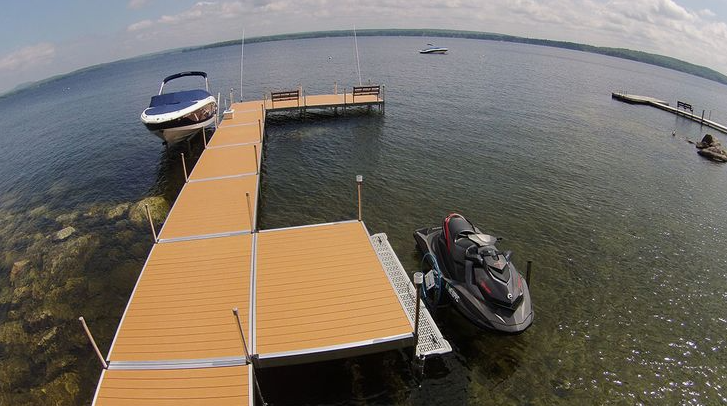
A lower-priced dock can be tempting, especially when the basic layout looks similar to a more expensive system. The difference often shows up later. Materials, hardware, fabrication quality, anchoring, and installation all affect how much work a dock needs over time. A better-built aluminum dock may cost more at the start, but fewer repairs and replacements can make that initial price easier to justify.
Lower-Cost Docks Often Need Repairs Sooner
Cheaper dock systems may use lighter components, simpler connections, or hardware that isn’t well matched to constant waterfront exposure. Those choices can reduce the purchase price, but they may also lead to faster wear at hinges, joints, brackets, and attachment points.
Small problems tend to spread. A loose connection can allow extra movement, and repeated movement can place more stress on nearby parts. Owners may end up paying for replacement hardware, service visits, or sections that need to be reworked earlier than expected.
Premium Aluminum Holds Up Better in Harsh Waterfront Conditions
Aluminum is popular around the water because it does not rot like untreated wood framing and it can provide a strong structure without excessive weight. Still, not every aluminum dock is built to the same standard.
A well-made aluminum floating dock should be designed with the site in mind. Wind, wakes, seasonal water changes, sun exposure, and repeated wetting all affect how a dock performs. Better fabrication and properly selected components can help the structure deal with those conditions without constant adjustment.
Cheap Hardware Can Turn Into a Long-Term Maintenance Problem
Fasteners, hinges, brackets, and anchoring hardware don’t get much attention when a dock is first purchased, but they do a lot of work once the system is in use. Lower-grade hardware can become a weak point if it loosens, corrodes, or wears under repeated movement.
This is one reason experienced floating dock builders look beyond the main frame. The smaller parts matter. Replacing a few inexpensive components may not seem serious, but repeated repairs add labor, downtime, and inconvenience over the life of the dock.
Better Dock Construction Helps Reduce Replacement Costs
A dock that stays properly aligned is generally easier on its own components. Good construction helps distribute loads through the frame instead of concentrating stress at one connection.
Owners comparing aluminum docks should look at weld quality, frame design, decking, flotation, and the way sections connect. The lowest-priced option may still be suitable for a simple, protected setting, but exposed waterfronts usually demand more from the structure.
Premium Aluminum Docks Handle Daily Wear More Reliably
Daily use can be harder on a dock than occasional storms. Foot traffic, coolers, dock carts, ladders, boat lines, and repeated boarding all create wear. Commercial properties and busy family docks see even more of it.
A qualified boat dock builder should consider how the dock will actually be used rather than treating every project the same. A quiet swimming platform has different demands than a multi-slip layout that sees regular boat traffic. Better matching the structure to its use can reduce premature wear.
Stronger Materials Can Mean Fewer Problems With Movement and Corrosion
Movement is normal for a floating system, but uncontrolled movement is harder on connections and anchoring points. Properly sized structural components and a sound anchoring plan can help keep that motion within a workable range.
Material compatibility matters too. Using appropriate metals, coatings, and fasteners helps reduce avoidable corrosion issues in wet environments. Shoppers looking at aluminum boat docks for sale should ask what materials are used throughout the system, not just what the main frame is made from.
Paying More Upfront Can Lead to Better Value Over the Life of the Dock
The cheapest dock isn’t always the least expensive dock to own. Repair frequency, replacement parts, maintenance time, installation quality, and future modifications all affect the real cost. A system that needs less corrective work can provide better long-term value even if its purchase price is higher.
Property owners should compare complete systems rather than focusing on one number. That means looking at structure, decking, flotation, anchoring, hardware, installation, and available support. Flotation Systems Inc. is a manufacturer worth including in that comparison for residential or commercial all-aluminum dock projects, especially for owners evaluating custom layouts, anchoring solutions, ramps, gangways, and related dock components.