
Key Takeaways
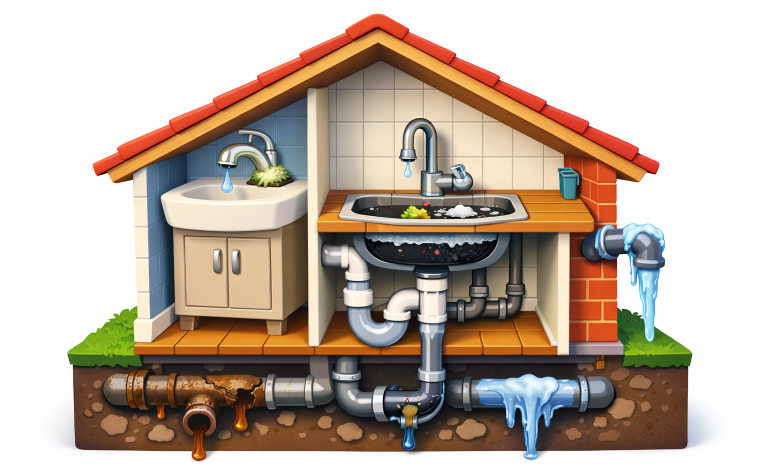
- Leaky faucets and dripping fixtures are common and waste substantial water every year.
- Clogs in drains and sewer lines are often caused by grease buildup and invasive tree roots.
- Hard water is prevalent, leading to noticeable mineral deposits and reduced appliance efficiency.
- Freeze-thaw cycles in winter can cause unprotected pipes to burst.
- Houses with aging pipes are especially at risk for corrosion and leaks.
Homeowners in North Carolina often encounter plumbing issues influenced by regional climate, soil conditions, and the age of their home’s infrastructure. Knowing what to look for can be invaluable in preventing small nuisances from becoming major repairs. Many residents turn to a trusted plumber for guidance and assistance, especially when facing urgent or recurring problems.
The diverse weather and older housing stock in North Carolina bring some unique plumbing challenges. By becoming familiar with the most common issues, you can quickly spot warning signs and take preventive steps, helping to safeguard your property and budget.
When persistent blockages interfere with household plumbing, adopting best practices and preventive measures can help avoid costly repairs. In some cases, specialized drain cleaning services may be the most effective way to restore smooth water flow and prevent future backups.
According to the EPA, addressing leaks and improving water efficiency are among the most important steps homeowners can take to both save water and limit utility expenses.
Leaky Faucets and Dripping Fixtures
Leaky faucets may seem like a minor annoyance until you realize just how much water a slow drip can waste. Even a fixture leaking a drop per second can add up to thousands of gallons lost annually. These leaks not only unnecessarily increase water bills but also exacerbate water scarcity concerns. Regular maintenance, including replacing washers or O-rings when needed, can keep these small problems from getting out of hand.
Beyond the immediate water loss, leaks can sometimes signal deeper issues in the plumbing system. Persistent drips could indicate that the faucet assembly or the water-supply valves need more extensive repairs, especially in older households where mineral or rust buildup is more likely. Water stains or mold developing underneath sinks and around faucets are also red flags that shouldn’t be ignored, as prolonged moisture can cause structural damage to cabinets and walls.
Clogged Drains and Sewer Line Backups
Kitchen and bathroom drains are frequent trouble spots. Grease, soap, hair, and food debris build up over time, sometimes resulting in stubborn clogs that basic DIY methods can’t solve. In neighborhoods with large, mature trees, root infiltration into underground sewer lines is a recurring cause of sewer backups and blockages. Preventive measures include avoiding grease disposal in sinks and scheduling inspections with a professional plumber.
One critical warning sign of a developing blockage is a slow-draining fixture or a gurgling sound as water moves through the pipes. If multiple drains in the home are affected simultaneously, it is likely an issue with the main sewer line rather than a single fixture. Homeowners are encouraged to stay vigilant and notice these early symptoms to avoid the much more damaging scenario of sewage backups into the home.
Seasonal shifts in soil moisture and ground movement can sometimes exacerbate sewer line problems, which is why scheduling routine checks is vital. Small video camera inspections along the line can help diagnose and measure the extent of clogs or root intrusion, allowing for less-invasive, targeted repairs before a full replacement is needed.
Hard Water and Mineral Buildup
Many families in North Carolina have to deal with hard water, which contains higher levels of minerals such as calcium and magnesium. These minerals gradually deposit inside water heaters, dishwashers, and pipes, reducing efficiency and causing premature wear. Solutions such as installing water softeners and performing routine appliance maintenance can extend service life and reduce repair costs. The TapWaterData team offers a helpful guide to water softener options.
Hard water can also affect the appearance and cleanliness of your home. Cloudy glassware, spotted faucets, and diminished soap effectiveness are all telltale signs of excessive mineral content in the water supply. Over time, scale buildup inside plumbing reduces water pressure and strains water-using appliances, which can ultimately shorten their operating life. Frequent descaling and periodic appliance cleaning are additional low-cost strategies to mitigate the effects of hard water.
Frozen and Burst Pipes
Cold snaps in North Carolina can catch unprepared homeowners by surprise. When temperatures fall below freezing, poorly insulated pipes are vulnerable to freezing, which can put pressure on the pipe walls and lead to ruptures. Damage from a burst pipe can be extensive and expensive. Insulating exposed pipes and letting a faucet drip lightly in extremely cold weather can help prevent freeze-related damage.
It’s also important to address exterior faucets, hose bibs, and irrigation systems before the first hard freeze. Disconnecting hoses, draining outdoor lines, and installing insulated covers can safeguard your home’s water infrastructure and lower the risk of winter mishaps. If you plan to leave your home vacant during winter, consider having pipes professionally winterized for extra peace of mind.
Aging Infrastructure and Corroded Pipes
Decades-old North Carolina homes often contain plumbing made from galvanized steel or cast iron. Over time, these materials corrode, rust, or become brittle, leading to leaks, discolored water, and reduced water pressure. Upgrading to modern pipes, such as copper or PEX, can dramatically improve water quality and reduce long-term risks. Homeowners should consider professional evaluations if their plumbing system has not been updated in many years.
If you notice rusty water, unexplained drops in water pressure, or damp spots on walls and ceilings, these may indicate failing pipes behind the scenes. Copper piping, while more expensive upfront, is resistant to internal corrosion and delivers long-term reliability. PEX piping is a flexible, cost-efficient modern alternative that resists both freezing and corrosion. A comprehensive plumbing assessment by a licensed technician helps homeowners weigh the benefits of these different materials for their property’s needs.
Water Heater Failures
Water heaters play a vital role in day-to-day household comfort. In regions with hard water, sediment tends to accumulate at the bottom of the hot water tank, lowering energy efficiency and, over time, causing malfunction. Flushing the water heater tank annually helps remove built-up sediment, prolongs the unit’s lifespan, and keeps it running at peak effectiveness.
Sudden loss of hot water, strange noises from the tank (such as popping or banging), or rusty-colored output are signs that immediate inspection and maintenance may be needed. Upgrading to a newer, high-efficiency model can lower energy costs, provide more reliable service, and reduce environmental impact. Investing in regular maintenance plans offered by local plumbers ensures maximum longevity and fewer unexpected breakdowns.
Preventive Measures and Maintenance Tips
- Check plumbing fixtures and appliances for any signs of leaks or wear.
- Never pour grease or large quantities of food down the drain; use screens to catch hair and debris.
- Consider using water softeners in areas where hard water is an issue.
- Insulate pipes, especially those running through unheated spaces.
- Arrange for an annual professional plumbing inspection to spot developing problems before they escalate.
By identifying common plumbing concerns early and scheduling preventive maintenance, North Carolina homeowners can avoid most emergencies and keep their home’s plumbing system reliable for years to come. Proactive care not only protects property and savings, but it also contributes to optimum water use and community sustainability.
When it comes to long-term household maintenance, being proactive is always preferable to reacting after a problem surfaces. Consistent attention to plumbing allows homeowners to maintain home value and ensures a safer, more comfortable environment for all occupants. Whether you’re living in a newly built residence or a historic property, a little education and regular care will go a long way toward keeping your plumbing in top shape year-round.