
Key Takeaways
- Rural property involves more due diligence than a conventional city home.
- Access, boundaries, water, septic capacity, flood exposure, and utility service should be checked early.
- A low price per acre may not reflect the cost of repairs, land maintenance, or infrastructure.
- Surveys, inspections, title review, and local tax research can prevent expensive surprises.
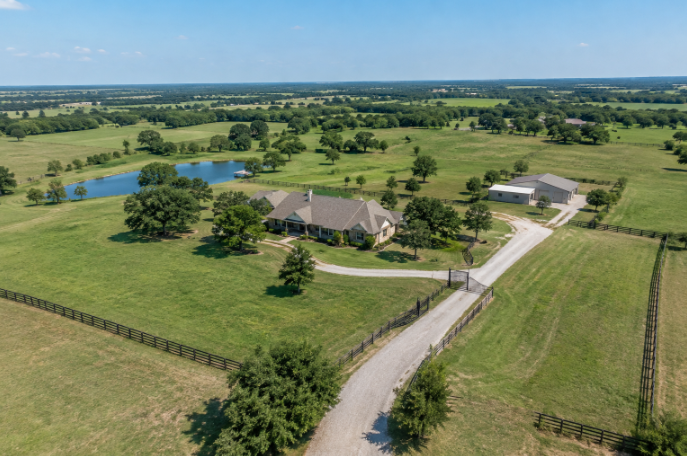
Buying acreage, a ranch-style home, or undeveloped land in Collin County can create room for horses, gardens, workshops, and a quieter routine. It also requires a broader review than a typical subdivision purchase because the house, land, access, utilities, and legal records all matter together.
Buyers who want experienced local perspective may benefit from speaking with Collin County real estate experts Town and Ranch Real Estate Group. Town and Ranch Real Estate Group focuses on Texas land, ranch properties, rural homes, and property valuation, with neighborhood coverage that includes Prosper, Celina, and Anna. That rural-property focus can help buyers identify practical questions about acreage, access, and property features before making an offer.
Table of Contents
- Why Rural Property Requires More Research
- Set a Realistic Budget
- Check Access and Boundaries
- Review Water and Wastewater
- Inspect Land and Improvements
- Study Taxes, Land Use, and Title
- Build a Due Diligence Timeline
- Common Buyer Questions and Final Checklist
1. Why Rural Property Requires More Research
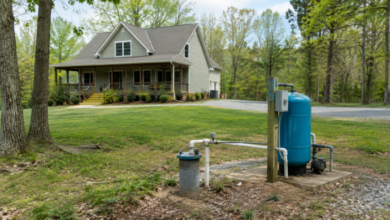
Country property outside growing North Texas communities may include private roads, shared driveways, wells, septic systems, ponds, fencing, flood-prone ground, or limited internet options. Buyers are not simply purchasing a house. They are taking responsibility for the systems that make the property usable now and adaptable later.
A scenic ten-acre tract may still have challenges. The driveway could cross another owner’s land, the septic system may have no practical replacement area, or deed restrictions could limit future use as a barn, guest house, or business. Confirming these points before the option period ends is far easier than resolving them after closing.
2. Set a Realistic Budget
Build a first-year ownership budget instead of focusing only on the down payment and mortgage. Rural expenses vary by property, but buyers should allow room for:
- Survey, well testing, septic inspection, and pumping.
- Driveway, gate, fencing, brush clearing, and tree removal work.
- Private-road maintenance or shared-road assessments.
- Equipment, fuel, and labor for mowing or maintaining acreage.
- Specialty insurance, propane, generator upkeep, or utility extensions.
Ask for recent utility bills, maintenance records, and any road agreement. A property that appears inexpensive on a per-acre basis can require meaningful upfront work.
3. Check Access and Boundaries
Physical access and legal access are not always the same. A visible gravel drive does not automatically give the buyer a recorded right to use it. Review whether the tract touches a public road, whether an easement serves the driveway, who maintains any private road, and whether emergency vehicles can reach the home.
Order or review a current survey when fences, driveways, ponds, outbuildings, or boundary lines are unclear. Fences can be useful visual markers, but they do not necessarily follow the legal property line. Also visit after rainfall if possible, since mud, drainage, and creek crossings can change how a road performs.
4. Review Water and Wastewater
Private Well Review
Ask for the well’s location, depth, pump age, service history, and any shared-well agreement. A qualified professional can test water quality and evaluate the equipment. Buyers should also learn whether the well supplies only the property or serves neighboring homes.
Septic System Review
Locate the tank and drainfield, request permits and installation records, and schedule a professional inspection. The system should be appropriate for the home’s intended occupancy, and the site should have a feasible area for repair or replacement if needed. The records and inspection guidance for septic systems can help buyers understand why permits, drawings, maintenance, and local requirements matter.
5. Inspect the Land and Improvements
A standard home inspection may not fully address acreage and rural infrastructure. Depending on the property, consider a general home inspection, structural review, termite inspection, septic inspection, well and water testing, roof and drainage review, and a survey. If future construction is important, discuss soil conditions, setbacks, and wastewater capacity with qualified local professionals.
Inspect barns, shops, detached garages, cattle guards, fences, generators, solar equipment, and storage buildings for condition and usefulness. Confirm whether improvements are included in the sale, whether they appear on the survey, and whether permits or records are available.
6. Study Taxes, Land Use, and Title
Do not assume the current tax bill will be the same after closing. Ask the county appraisal district whether the property has agricultural or wildlife valuation, what activity supports it, and whether a change in use could affect future taxes. Verify whether restrictions allow livestock, hunting, short-term rentals, a home-based business, additional dwellings, or a commercial shop.
Review the title commitment, legal description, easements, covenants, mineral reservations, water agreements, grazing or hunting leases, and road-maintenance agreements. Complex questions involving boundaries, minerals, water, or contract language should be reviewed with a qualified attorney. Buyers should also use the current Texas real estate contract forms to understand the transaction documents and option deadlines that apply to their purchase.
7. Build a Due Diligence Timeline
- Days 1 to 3: Deliver earnest money as required, read disclosures, order a survey, and schedule inspections.
- Days 4 to 7: Inspect the home, well, septic system, driveway, and major improvements. Review title documents and access.
- Days 8 to 14: Research taxes, insurance, restrictions, utilities, flood concerns, and future plans for the land.
- Before the deadline: Collect repair estimates and decide whether to proceed, negotiate, or terminate under the contract terms.
8. Common Buyer Questions and Final Checklist
Is rural property cheaper than a suburban home?
Not necessarily. The purchase price may be attractive, but private utilities, fencing, long driveways, land maintenance, and repairs can increase total ownership costs.
Can another home be built on the land?
That depends on restrictions, access, lot configuration, septic feasibility, utility availability, and applicable local rules. Verify before relying on future building plans.
What should be confirmed before closing?
- The final survey and legal description match the property being purchased.
- Title requirements, insurance, financing, and utility transfers are complete.
- Well and septic results have been reviewed, and agreed repairs are addressed.
- Keys, gate codes, remotes, permits, maintenance records, and road agreements are available.
Conclusion
Buying rural property in Collin County means evaluating the land and its infrastructure as carefully as the home itself. Confirm legal access, boundaries, well and septic condition, flood exposure, utility availability, tax status, and restrictions before committing to the purchase. A current survey, qualified inspections, title review, and realistic estimates for ongoing maintenance can help reveal costs that the asking price does not show. With thorough due diligence and guidance from local rural-property specialists like Town and Ranch Real Estate Group, you can make a more informed decision about acreage that fits your plans and budget.