

Key Takeaways
- Assess your daily needs and driving habits to determine the type of vehicle that suits you best.
- Set a realistic budget that accounts for not only the purchase price but also ongoing costs, such as insurance and maintenance.
- Research and compare different models, focusing on reliability, safety features, and fuel efficiency.
- Test drive multiple vehicles to evaluate comfort, performance, and handling.
- Consider future needs to ensure your chosen car remains suitable over time.
Finding the right car for your lifestyle can be challenging due to the sheer variety of options. Whether you are a daily commuter, a weekend adventurer, or someone with a growing family, making the right choice requires careful planning and research. The best way to start narrowing down your options is to understand what features and considerations matter most to you. Learn more about available models and explore what fits best before committing to your next new car.
Determining your needs up front can save you time and money, and help avoid buyer’s remorse down the road. In addition to finding the right fit for your day-to-day life, it is crucial to consider long-term suitability, safety features, and fuel efficiency, as these factors contribute to both your satisfaction and your cost of ownership.
Assess Your Needs and Lifestyle
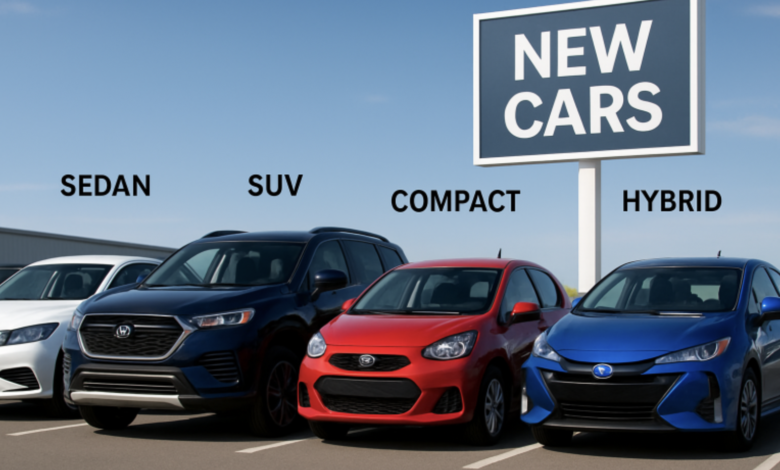
Start your car-buying journey by analyzing your lifestyle and daily requirements. Reflect on how many passengers you transport regularly, what types of terrain or weather conditions you typically face, and the size or type of cargo you often carry. For families, vehicles like SUVs and minivans tend to offer practicality and space, whereas individuals or city dwellers often opt for sedans or compact cars for their maneuverability and efficiency.
If you frequently drive on rough roads or live in a region with challenging weather, features like all-wheel drive and higher ground clearance might be non-negotiable. Conversely, those with long commutes may place a premium on comfort, in-cabin technology, and strong fuel economy to make each trip enjoyable and cost-effective.
Set a Realistic Budget
Deciding how much you can afford goes beyond the sticker price. Make sure your budget encompasses not only the purchase, but also ongoing expenses such as insurance, routine maintenance, fuel, and potential repairs. Evaluate your available financing options and keep your monthly car-related expenses to less than 15 percent of your take-home pay. Crunching these numbers early helps ensure your new car will not become a financial burden later.
Research and Compare Models
After pinpointing your must-have features and setting your budget, begin researching potential models. Resources such as Kelley Blue Book and Edmunds offer reviews, ratings, and side-by-side comparisons that can help you understand reliability, resale value, fuel efficiency, and standard safety features across different vehicles.
Take note of customer reviews and feedback from current owners, as these insights can highlight strengths and weaknesses that may not emerge in manufacturer-provided documentation. Keeping your shortlist to a few vehicles with high reliability ratings and positive owner experiences ensures a smarter investment for the long haul.
Test Drive to Get a Real Feel
Narrowing your selection to three or four models gives you a concrete basis for an in-depth test drive. During the drive, focus on practical comfort, seat adjustment, and visibility as much as you do performance and handling. Notice how easy it is to operate essential controls, interact with infotainment systems, and determine whether road noise is acceptable for your preferences.
Do not hesitate to ask the dealership questions about different trim levels, additional safety tech, or warranty coverage. It often helps to bring along family or a friend to provide another set of eyes and ears, ensuring important aspects are not overlooked during your evaluation.
Consider Future Needs
Think about how your circumstances may change over the next few years. Choose a vehicle that remains suitable if your family grows, you relocate, or your job transforms your commute. Buying with your future in mind increases the likelihood that your car will serve you well for the life of your ownership.
Flexibility is key, so select a vehicle that offers enough versatility to handle new needs, whether that means more passenger space, larger cargo capacity, or advanced connectivity features to keep up with technology trends.
Evaluate Safety Features and Ratings
Safety must always be a priority, especially for family vehicles. Look for cars equipped with advanced driver assistance technologies, such as forward collision warning, automatic emergency braking, lane departure warning, and blind spot monitoring. Review crash test ratings from reputable organizations like the Insurance Institute for Highway Safety (IIHS) to ensure your chosen vehicle ranks highly in both crashworthiness and avoidance features.
Standard airbags, rearview cameras, and stability control systems are now found on many new cars, but always verify which features are included on your target model and trim. Comparing safety packages between models can clarify which car offers the best protection for your investment.
Assess Fuel Efficiency
Fuel efficiency directly affects your vehicle’s running costs. Hybrid variants or cars with efficient gasoline engines can help curb your fuel expenses considerably if you rack up high mileage each year. Use EPA estimates to compare options and check owner-reported figures for real-world numbers.
In addition to MPG, research the expected maintenance costs, repair frequency, and depreciation rates for each model.
Conclusion
Choosing the perfect car calls for thoughtful consideration of your day-to-day routine, financial goals, and future plans. By assessing your true needs, setting a budget, doing detailed comparisons, and prioritizing safety and efficiency, you empower yourself to make the best choice. Follow these steps and enjoy confidence and satisfaction each time you hit the road.