

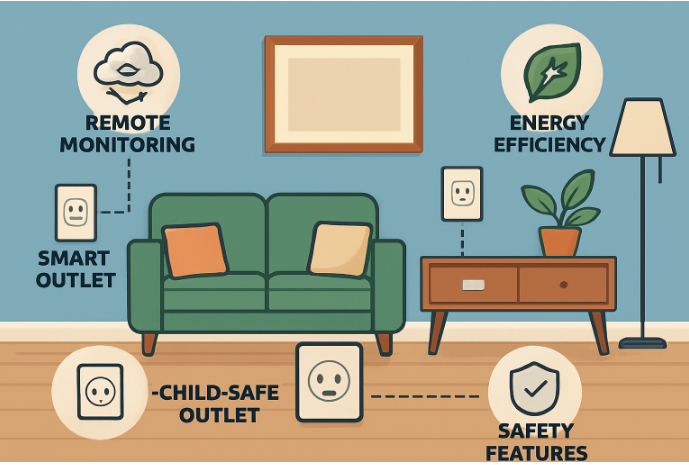
Modern homeowners are increasingly prioritizing safety and efficiency in their living spaces, especially when it comes to electrical systems. With the latest advancements, innovative tools and solutions have emerged, transforming how we approach electrical installation in residential settings. From smart technologies to robust child-proofing features, these developments offer both convenience and essential protection against hazards.
Staying current with home electrical best practices ensures safety and compliance. Innovations such as smart outlets and advanced protective devices reduce risks, while remote monitoring and real-time alerts enable homeowners to address issues early and prevent costly repairs.
Alongside these innovations, maintaining a comprehensive approach means working with trusted professionals who offer a broad range of services. Seeking reputable electrical services helps ensure your home’s wiring and devices are up to code, up to date, and consistently functioning at optimal levels.
Additionally, regular inspections and timely upgrades help extend the lifespan of electrical systems while minimizing unexpected failures. By combining modern technology with professional expertise, homeowners can create safer, more efficient living environments that adapt to evolving needs.
Smart Outlets and Switches
One of the most significant changes in residential electrical safety is the introduction of smart outlets and switches. These devices give homeowners the ability to control power supply to outlets and lights using smartphone apps or voice assistants such as Alexa or Google Assistant. Whether you’re away from home or simply in another room, it’s easy to disable outlets, preventing misuse or accidental operation by children and guests. Many smart outlets also offer energy-use tracking and real-time reporting of unusual activity, such as surges or overheating, allowing for swift intervention before problems become serious.
For example, a study by the U.S. Department of Energy found that smart plugs and switches can help reduce “phantom load” energy waste, resulting in lower utility bills and a lower risk of overheated circuits. These remote safety features not only add convenience but also drastically lower the incidence of electrical fires and equipment damage.
Child-Safe Magnetic Outlets
Families with small children can benefit significantly from child-safe magnetic outlets. Unlike conventional outlets that are vulnerable to curious little fingers, these outlets use a spring-loaded barrier that blocks anything except a specially designed magnetic plug. This innovation ensures that children cannot insert foreign objects, dramatically reducing the risk of electric shock. The outlet only delivers power when the correct plug, equipped with a unique magnet, is fully inserted, providing a level of safety far exceeding that of traditional plastic outlet covers.
Ground Fault and Arc Fault Protection
Essential to any safe home electrical system, Ground Fault Circuit Interrupters (GFCIs) and Arc Fault Circuit Interrupters (AFCIs) are now mandatory in many building codes. GFCIs are engineered to instantly shut off power when they detect a ground fault—protecting against electrical shock, especially in wet areas such as kitchens and bathrooms. AFCIs, on the other hand, detect dangerous arc faults, abrupt surges of electricity that could cause fires, especially in bedrooms and main living spaces. According to the National Fire Protection Association, the use of AFCIs has been shown to significantly decrease residential fire risks associated with faulty wiring and electrical malfunctions.
Integration of Smart Home Technologies
Today’s homeowners can integrate a wide variety of smart home technologies with their electrical systems for seamless control, efficiency, and peace of mind. Innovations such as connected security systems, lighting automation, and even appliance scheduling enable complete control from your mobile device, whether you’re at home or away. Homeowners benefit from enhanced safety alerts, energy-saving opportunities, and the ability to monitor the status of multiple systems at once. This integration also enables predictive maintenance—detecting minor anomalies before they develop into dangerous faults. These advancements reflect broader trends in the construction and technology industries, where interoperability and real-time monitoring are becoming standard.
Importance of Regular Electrical Inspections
Regular Electrical Installation Condition Reports (EICRs) are a cornerstone of long-term electrical safety. Regular inspections help identify outdated components, improper installations, or wear and tear that could go unnoticed until a significant problem occurs. These proactive checks are vital as regulatory compliance becomes more stringent, directly impacting insurance, property transfer, and rental approvals. Ultimately, routine inspections and prompt repairs foster a safer, more reliable living environment—free from the unexpected disruptions and hazards that unchecked electrical systems can cause.
By adopting these innovative solutions and working with qualified electrical professionals, homeowners can create a safer, more innovative living environment that protects what matters most—family, property, and peace of mind.